Built With Innovation. Designed for Learning.
LabsForHome combines proven educational theory, immersive virtual environments, gamified technology, and hands-on hardware to deliver a science learning experience that’s both engaging and unforgettable.
LabsForHome
Main Features
Content
Our product includes 55+ experiments across physics, chemistry, and biology. Each experiment features structured mission statements, detailed steps, and quizzes—delivered in multiple languages to ensure accessibility for diverse classrooms. Every component is also supported with comprehensive descriptions, helping educators provide a consistent and inclusive learning experience.
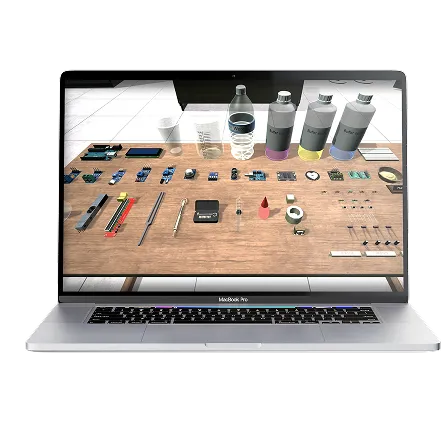
Components
Our product includes 20+ sensors that integrate seamlessly with our coding platform using Python to support physics, chemistry, and biology experiments. From measuring infrared signals, voltage, and current to tracking chemistry-related data such as pH and temperature, these sensors bring real science into every experiment.
Gameplay
In LabsForHome, students interact with sensors, LCDs, and Arduino components—learning to connect them correctly in order to achieve their experiment goals. A built-in notepad allows learners to record experiment notes, which are saved permanently for future reference. A magnifying tool is also included, giving students a closer look at each component.
To support learning, the platform provides hints and guidance through avatar tips, a component dictionary, and step-by-step instructions. Background music and multilingual narration accompany each stage of the experiment, with the option to replay explanations as often as needed—ensuring no concept is missed.
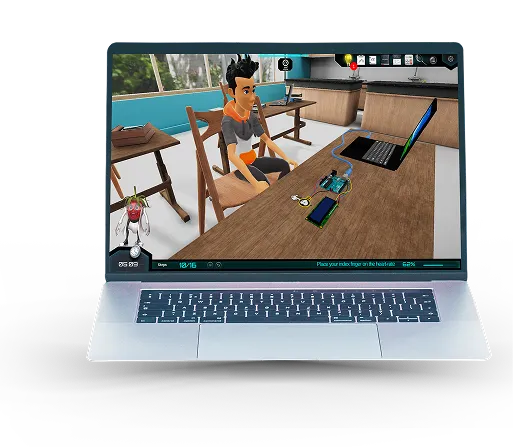
Graphics
LabsForHome features high-resolution graphics that bring every component, animation, and interaction to life. The virtual lab is designed to closely resemble a real school or university science lab, giving students a familiar yet immersive learning space.
To support learning, the platform includes a wide range of interactive assistants—from robots and animals to everyday characters—who guide students through experiments and concepts. Each assistant is represented by an avatar chosen by the student, making the experience both personal and engaging.
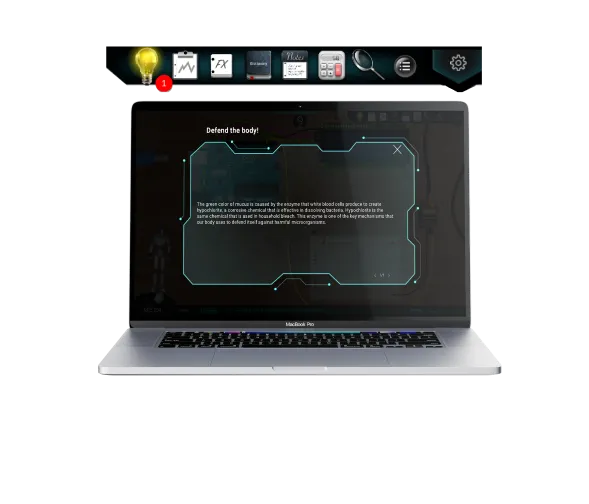
MindUp Feature
The MindUp feature is one of the platform’s most distinctive elements, delivered through a pop-up icon that students can choose to explore or ignore—demonstrating their personal commitment to learning. It provides fun and engaging insights into Science Pioneers, Natural Sciences, Applied Sciences, and Historical discoveries. These prompts may directly connect to the current experiment or introduce broader scientific knowledge, sparking curiosity beyond the lesson at hand.
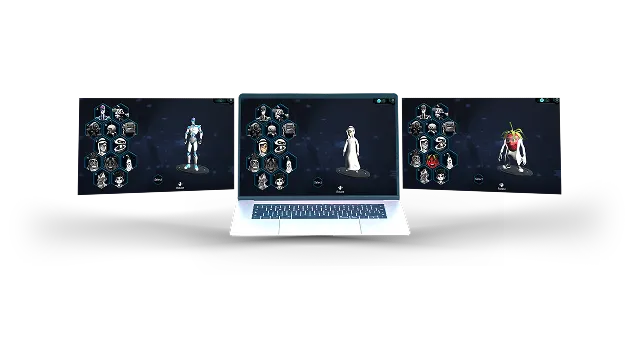
3D Interactive Simulations
Different Helper Avatars: The Helper Avatar is intended to be the student's companion throughout their gaming journey. It will provide support when the student performs well and offer encouragement when they make a mistake.
Different Game Modes
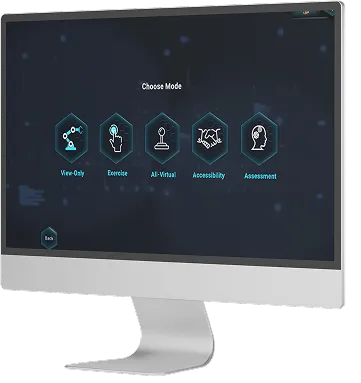
Students can choose from multiple game modes before starting, allowing them to engage with each experiment in the way that best fits their learning style and experience level.
View-Only Mode:
The experiment runs automatically, guiding the student step by step without requiring input.
Exercise Mode:
The standard mode where the student actively performs the full experiment.
Virtual Mode:
Designed for use without the hardware kit, allowing the student to complete the experiment entirely online.
Accessibility Mode:
Designed to ensure inclusivity, this mode provides support for: ii. Hand mobility challenges — connections are auto-corrected to prevent errors. iii. Hearing impairments — narration and audio support are available in multiple languages in real time across all modes. iv. Visual impairments — a built-in magnifier enhances visibility. v. Color blindness — additional support planned for the next development phase.
Assessment Mode:
This is essentially an exam mode—a challenging setup where students complete experiments without hints or assistance. Instead of step-by-step guidance, experiments are divided into broader phases, grouping several steps together. This structure promotes trial and error, critical thinking, and independent problem-solving, while also providing educators with a clear gauge of each student’s strengths and weaknesses across different concepts.
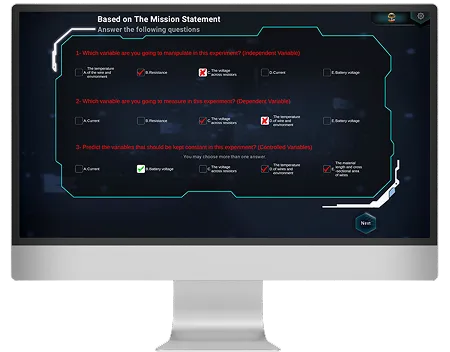
Pre-Quiz
Before starting an experiment, students complete a short pre-quiz designed to prime their understanding of the subject matter. This step introduces key concepts, exposes them to the variables, and clarifies the purpose of the experiment—helping students enter the activity better prepared and more focused.
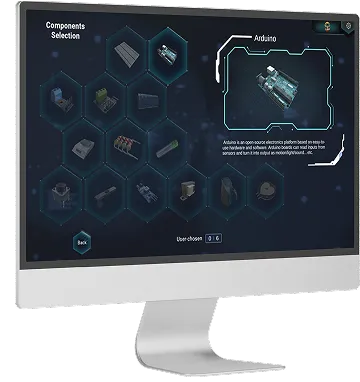
Component Selection
Before starting an experiment, students select the components they will use during the simulation. Each component is accompanied by a brief description, helping students understand its role and function before applying it in the lab.
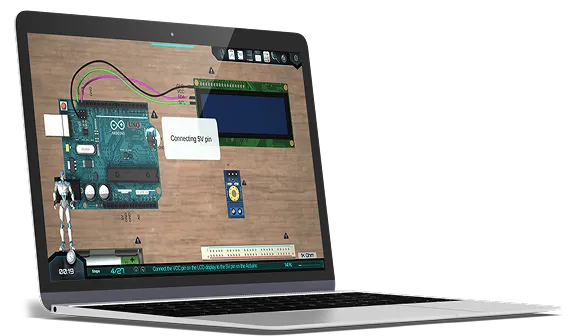
Interactivity
Throughout the experiment, the assistant interacts with the student, guiding them while allowing space to test, fail, and try again until the correct connection is achieved. This trial-and-error approach is essential, as students are naturally curious to explore what happens when a connection is made incorrectly—and learn from the outcome.
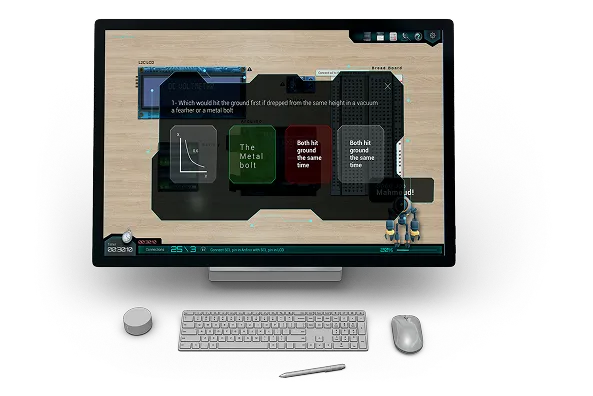
Post-Quiz
After completing an experiment, students take a post-quiz designed to evaluate their grasp of the concept, procedure, and outcomes. This assessment measures both the theoretical understanding and the practical knowledge gained—ensuring learning is reinforced from all angles.
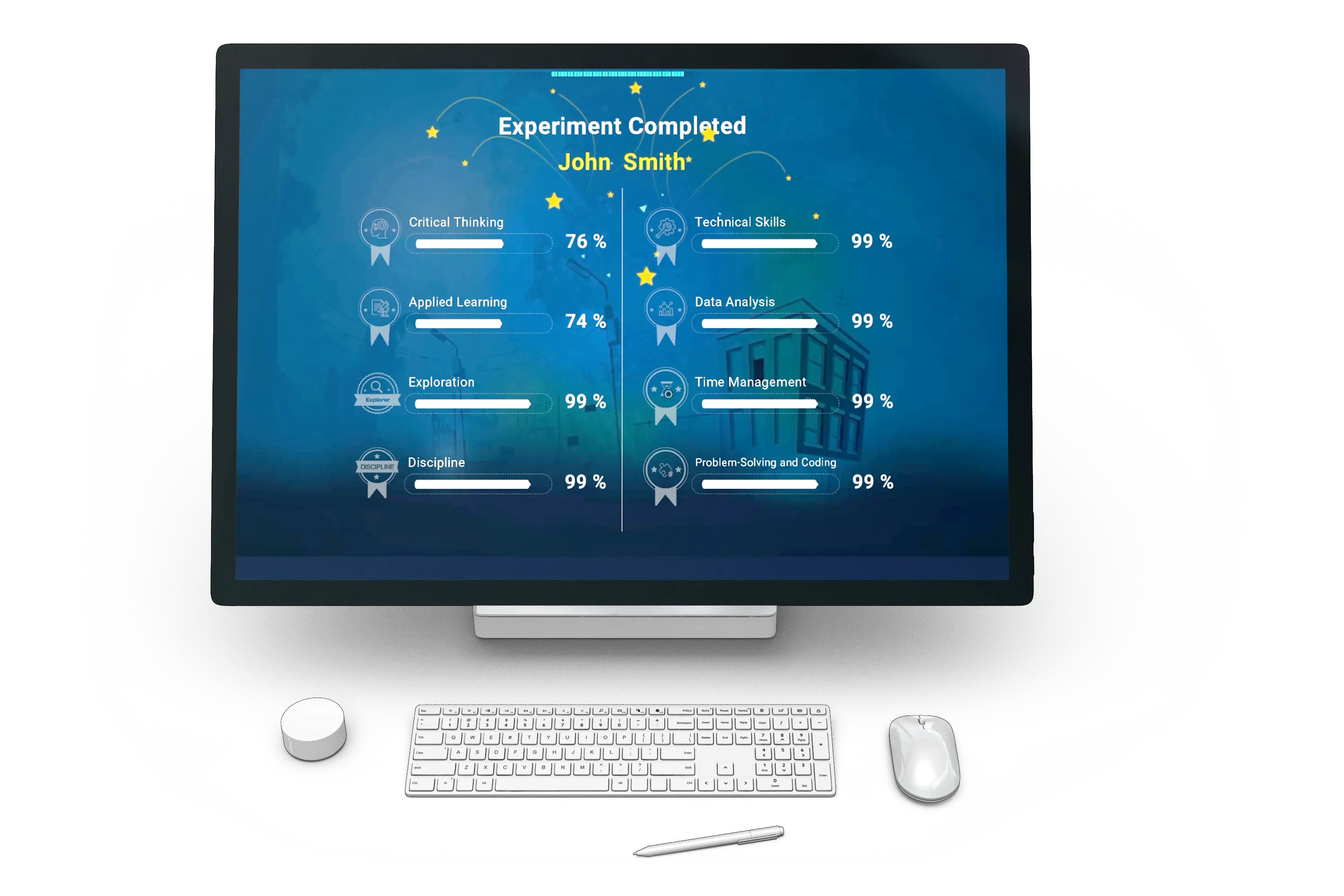
Skills Assessment
Each experiment concludes with a brief evaluation of the student’s performance and understanding. The assessment highlights areas of strength as well as concepts that need improvement, giving students clear direction for growth. To encourage excellence, badges are awarded for achieving 100% in specific categories.
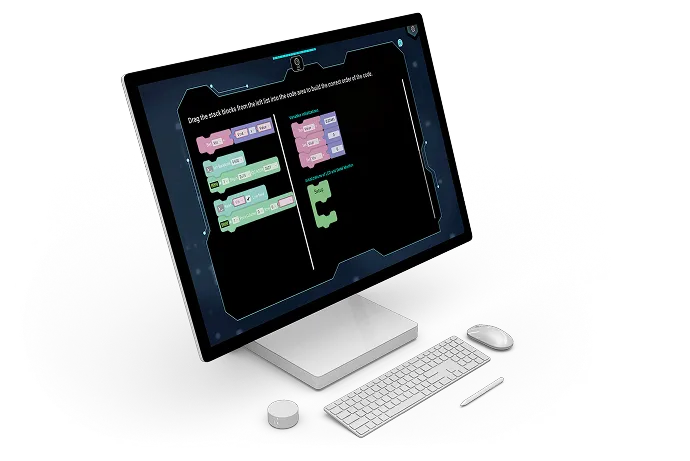
Python Skills
Student coding skills are evaluated through a three-level test:
Drag-and-drop sequencing — arrange Python code blocks in the correct order.
Debugging — identify errors in Python code snippets and correct them using multiple-choice options.
Code completion — fill in missing parts of Python code by dragging and dropping the correct elements.
Bloom's Taxonomy
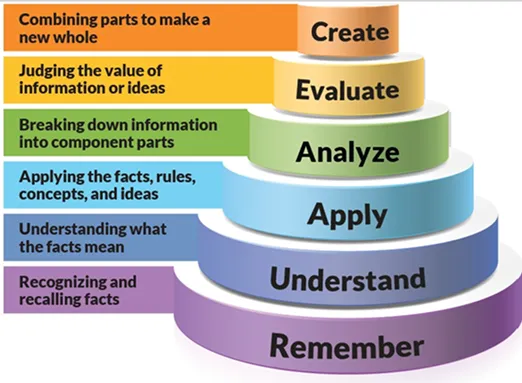
Bloom’s Taxonomy classifies the key learning outcomes and skills that educators set for their students. LabsForHome is built with this framework at its core—ensuring that every phase of the game integrates outcomes across all levels, from remembering and understanding to applying, analyzing, and creating.
Extra Help Features
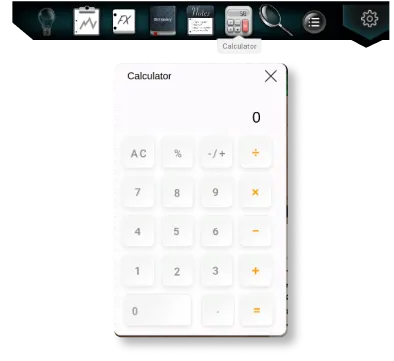
Calculator
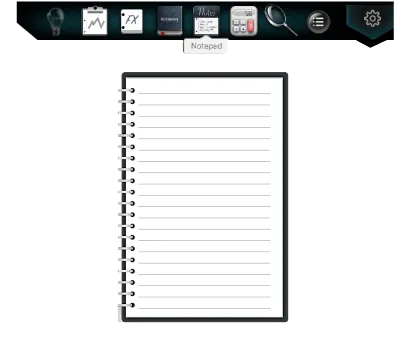
Notepad
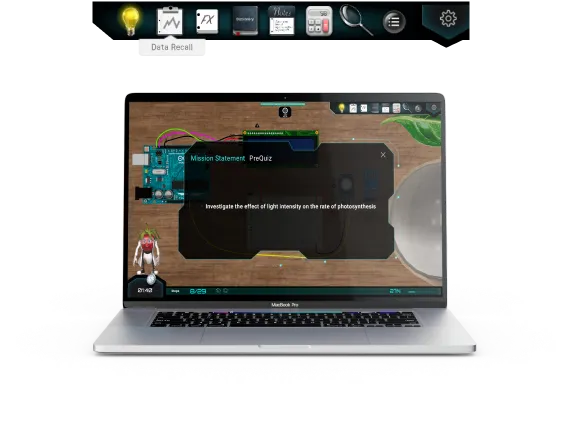
Data Recall
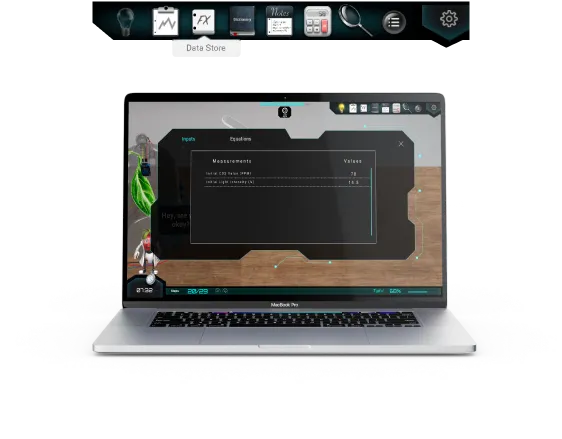
Data Store
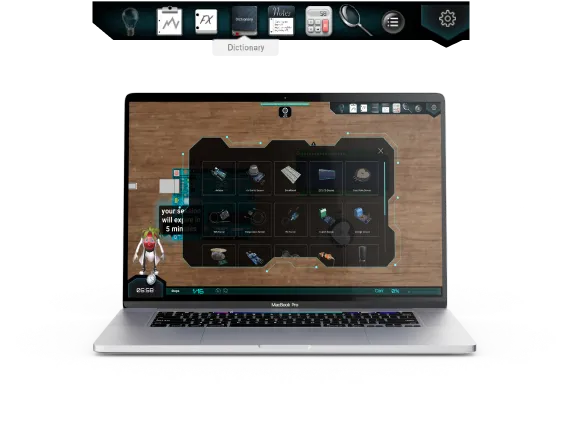
Dictionary
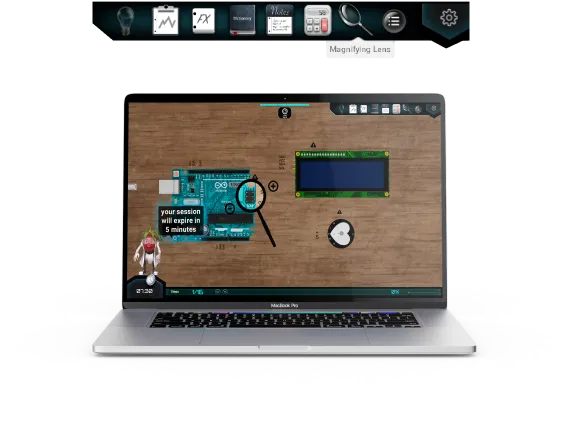
Magnifying Lense